Evidence rarely fails on its own. It fails in transit.
CometX is a not-for-profit centre that moves knowledge the last mile — from studies and strategies into the hands of the teams, communities, and decision-makers who have to act on it.
- Practices
- Training, consulting, EDIA, accessibility, research
- Who we work with
- Non-profits, public agencies, schools, employers, funders
- What we leave behind
- Open tools and frameworks, free to reuse
We operate a not-for-profit research and training centre dedicated to catalysing meaningful engagement, evidence-based innovation, and transformative learning across sectors and communities in Canada and internationally.
That objective sets a practical test for everything we take on: did someone learn something they can use, and did it change a decision? We publish what we find, share our tools openly, and design every engagement so the capability stays with your team after we leave.
Each practice answers a different question about the same problem.
Training & capacity building
Workshops, multi-day institutes, and coached learning cohorts in research methods, evaluation, knowledge mobilization, facilitation, and leadership.
Programs and formats → Practice / ConsultingConsulting & advisory
Strategy, evaluation design, evidence reviews, and knowledge mobilization plans for organizations that need a decision made well, not a deck.
Consulting solutions → Practice / EDIAEDIA & women's leadership
Equity, diversity, inclusion and accessibility assessments, inclusive hiring practice, and sponsorship programs that advance women into senior roles.
Equity work → Practice / AccessibilityAccessibility & audits
WCAG 2.2 and AODA conformance audits, document and procurement remediation, accessibility plans, and staff training that holds up to scrutiny.
Audit services → Practice / ResearchResearch & knowledge mobilization
Applied studies, rapid evidence syntheses, community-based research, and the open frameworks and tools we publish for anyone to use.
Research and resources → The peopleA team of practitioner-experts
Researchers, evaluators, accessibility specialists, facilitators, and equity practitioners who have run the programs they now help others build.
Meet the disciplines →Four steps, and you can stop after any of them.
- Scope
Agree on the decision at stake
A short discovery session with the people who will use the result. We write down the question, the audience, and what "useful" means before quoting anything.
- Evidence
Gather what is already known
Rapid literature scans, administrative data, interviews, and community consultation — proportionate to the decision, not to the budget.
- Build
Design the thing people will actually use
A workshop series, a toolkit, a remediation plan, an evaluation framework. Co-designed with the end users and tested with them before launch.
- Transfer
Hand over the capability
Train-the-trainer sessions, editable source files, and a short measurement plan so you can tell whether it worked six months later.


Sectors that rarely share a table — deliberately at the same one.
Community organizations and grassroots groups. School boards, colleges and universities. Municipalities, provincial ministries and federal programs. Employers, hospitals, and funders. Our role is usually to translate between them.
We work in English and French, on-site across Canada, and remotely with international partners.
A report nobody can act on is not a finding. It is a filing.
Convening, teaching, testing, writing it down.
Four settings account for most of what the centre does in any given month.

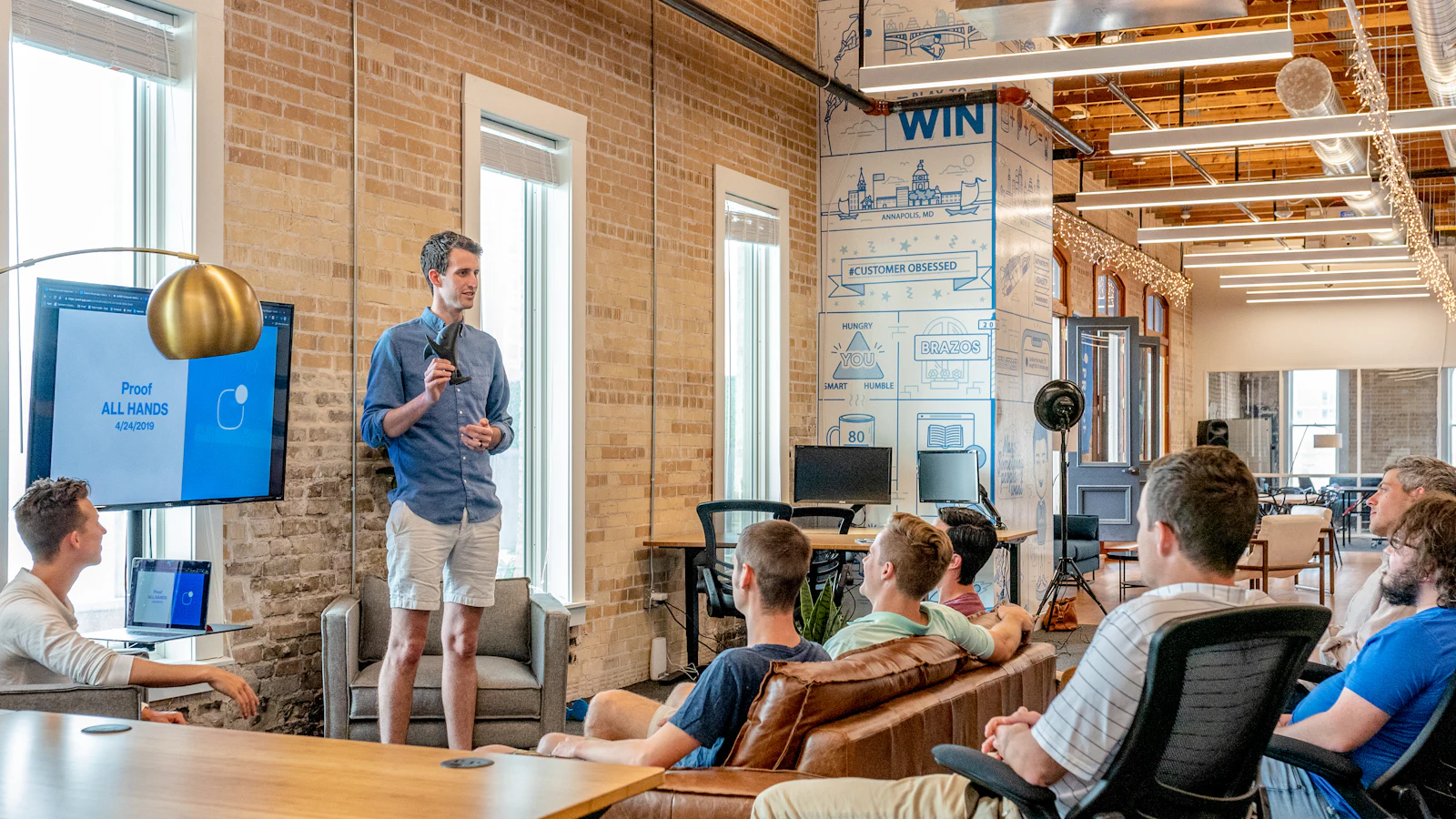

Named standards, not house style.
Every deliverable is measured against a published standard, so you can check the work rather than take our word for it.
WCAG 2.2 AA AODA Accessible Canada Act TCPS 2 research ethics GBA Plus Plain language guidelines Creative Commons BY 4.0
Methods stated
Sample, limits, and confidence are written into every report — including where the evidence does not support a firm answer.
Sources open
Instruments, coding frames, and calculation notes travel with the findings so another team could repeat the work.
People credited
Community partners and co-researchers are named as contributors on work they helped shape, and paid for their time.
Tell us what you are trying to change.
Most engagements begin with a 30-minute scoping call. Bring the problem, the timeline, and whatever evidence you already have — we will tell you honestly whether we are the right partner, and what a realistic scope looks like.
- Fixed-fee scopes with deliverables agreed in writing before work starts.
- Not-for-profit and community rates, plus pro bono capacity each year.
- Bilingual delivery (English and French) and fully accessible materials.
- Every engagement leaves behind tools your team can use without us.